


Simple Checks to Avoid False Fire Alarms
False fire alarms are a significant issue for fire services around the world, particularly in Scotland, where the fire and rescue service is seeking ways to reduce the numbers of these unnecessary call-outs. These incidents can not only waste valuable resources but can also place undue pressure on firefighters and potentially jeopardise the safety of the public. This blog post will outline simple checks to avoid false fire alarms and contribute to creating a safer environment for everyone.
Understanding the Impact of False Fire Alarms
False fire alarms result primarily from unintentional actions that trigger fire detection systems. Each year, the Scottish fire and rescue service responds to thousands of these alarms, diverting attention away from actual emergencies. Assistant Chief Officer Ross Haggart has highlighted the need to address this issue, stating that “false alarms, often as a consequence of unintended actions, are one of the biggest unnecessary drains on the resources of the fire and rescue service.” Hence, understanding how to prevent these false activations can greatly enhance the effectiveness of these vital services.
Simple Checks to Avoid False Fire Alarms
To assist in this effort, the following simple checks can be implemented to reduce the chances of false fire alarm activations:
1. Clarify Alarm Points
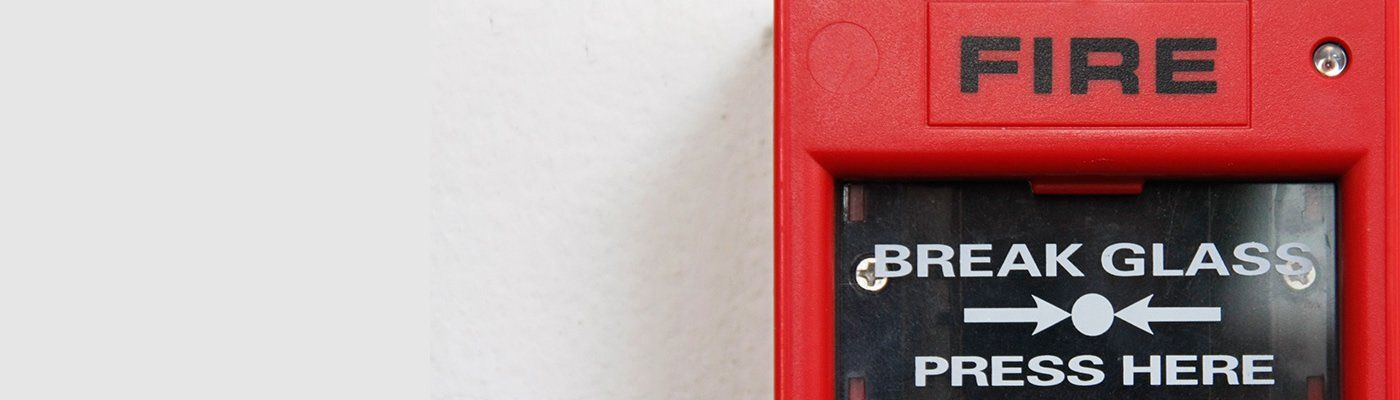
One primary area of confusion arises from the misunderstanding of alarm break glass points and fire exit doors. Ensure that you clearly see and understand the functionality of these alarms within a building so you don’t mistake a fire alarm break glass point for a green door exit point. Familiarity with these locations can prevent accidental triggering during emergencies.
2. Mind Your Smoking Habits
Another simple check to avoid false fire alarms is adhering strictly to smoking policies. Never smoke or vape inside a building or within enclosed rooms. The smoke produced can easily activate fire alarms and cause unnecessary disruptions. If you must smoke, do so in designated areas outdoors, away from any building entrances or windows.
3. Use Appliances with Care
When using household appliances such as toasters, kettles, hairdryers, and hair straighteners, exercise caution. Steam can set off alarms, not just smoke. Therefore, when using such devices, make sure that the area is well-ventilated and, if applicable, keep your bathroom door closed while using an extractor fan when bathing, showering, or even doing dishes. This simple check can significantly lessen potential false alarm activations.
4. Maintain Your Detectors
Never remove, take out the batteries of, cover up, or paint over smoke or heat detector heads. This not only prevents them from activating accidentally but can also result in crucial detectors failing to recognise an actual fire. Regular maintenance of your detectors ensures that they are in working order, providing the necessary protection when needed.
5. Know Your Escape Routes
It is crucial to be aware of your escape routes and the location of the closest fire exit. Familiarity with these routes can help prevent panic during an emergency, ensuring you know exactly where to go and what to do. Regularly practice fire drills can also enhance your preparedness and contribute to a safer space, ultimately decreasing the likelihood of false alarms triggered by confusion or panic.
The Role of Fire Safety Experts
To ensure that businesses and individuals are equipped with the best fire safety practices, engaging with fire safety experts is highly recommended. Companies like RV Fire Systems provide comprehensive training and advice on fire safety, alongside the supply and installation of essential firefighting equipment. This partnership can significantly enhance fire safety measures while reducing the instances of false fire alarm activations.
Taking proactive steps can make a notable difference in the fight against false fire alarms. Implementing these simple checks to avoid false fire alarms not only aids in conserving the resources of fire services but also enhances general public safety. By making small changes in daily routines and behaviours, we can collectively contribute to a safer environment for all. Remember, being informed and prepared can make all the difference when it comes to fire safety. For more details on fire safety practices or to obtain professional advice, reach out to your regional fire safety service or experts like RV Fire Systems for tailored assistance.
Clitheroe Fire Alarms:- 01200 439333
Preston Fire Alarms:- 01772 970411
Manchester Fire Alarms:- 0161 8260480
Blackburn Fire Alarms:- 01254 367611
Blackpool Fire Alarms:- 01253 804199


