


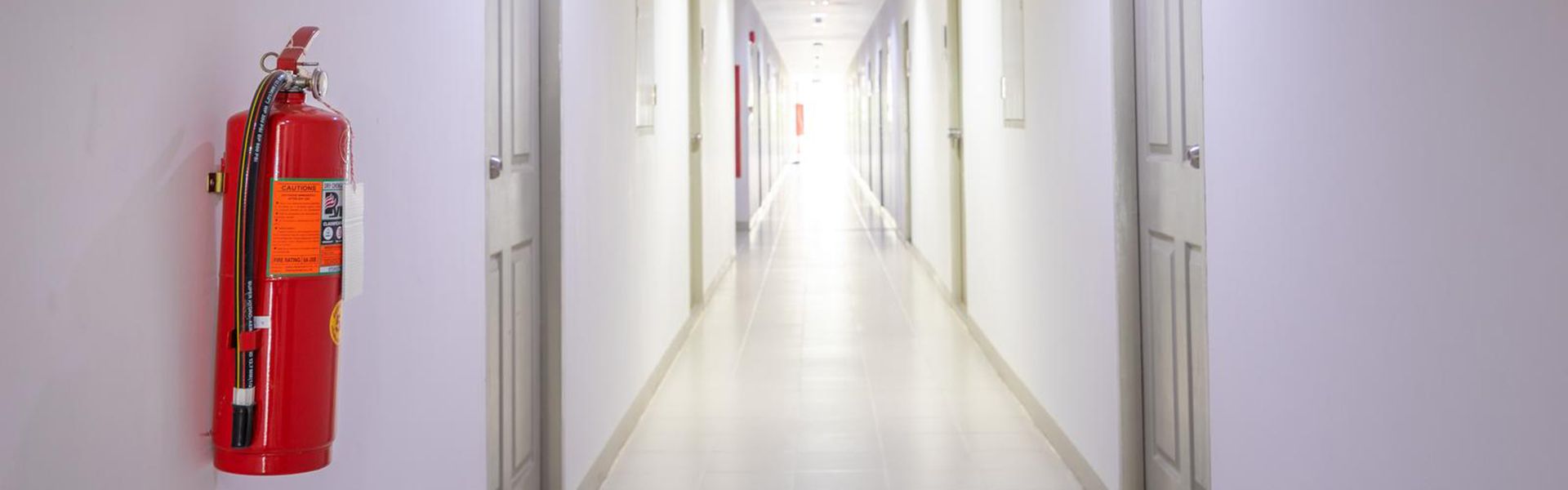
How Often Must British Fire Extinguishers Be Serviced?
Fire safety is a critical aspect of maintaining a safe environment, whether it’s in a residential, commercial, or industrial setting. One of the most essential components of fire safety is the proper maintenance and servicing of fire extinguishers. In the UK, there are specific regulations and guidelines that dictate how often fire extinguishers must be serviced to ensure they are in optimal working condition. This blog post will delve into the importance of fire equipment servicing, the legal requirements in the UK, and best practices for maintaining your British fire extinguishers.
The Importance of Fire Equipment Servicing
Fire extinguishers are often the first line of defence against small fires that could otherwise escalate into major disasters. Properly maintained fire extinguishers can save lives and property by enabling quick action during an emergency. However, like any other piece of equipment, fire extinguishers require regular servicing to ensure they function correctly when needed.
Ensuring Operational Readiness
The primary reason for regular fire equipment servicing is to ensure that all components are in good working order. Over time, factors such as corrosion, leakage, or tampering can compromise the effectiveness of a fire extinguisher. Regular inspections and maintenance help identify and rectify these issues before they become problematic.
Compliance with Legal Requirements
In the UK, there are stringent regulations governing fire safety equipment. Failure to comply with these regulations can result in severe penalties, including fines and legal action. Regular servicing ensures that your fire extinguishers meet all legal requirements and standards set by British authorities.
Peace of Mind
Knowing that your fire extinguishers are regularly serviced provides peace of mind. In an emergency, you can be confident that your equipment will function as intended, allowing you to focus on addressing the immediate threat.
Legal Requirements for Fire Extinguisher Servicing in the UK
In the UK, the Regulatory Reform (Fire Safety) Order 2005 outlines specific requirements for maintaining fire safety equipment. According to this legislation:
Annual Maintenance
All portable fire extinguishers must undergo a basic service at least once every 12 months by a competent person. This annual maintenance involves checking various components such as pressure levels, seals, hoses, and nozzles to ensure they meet operational standards.
Extended Service Every Five Years
Certain types of fire extinguishers require extended service every five years in addition to annual maintenance checks. This extended service includes more comprehensive checks, such as internal examinations and pressure testing to verify structural integrity.
Replacement After Ten Years
Most types of portable fire extinguishers have a maximum lifespan of ten years from their date of manufacture. After this period has elapsed—or sooner if deemed necessary during inspections—the extinguisher should be replaced with new equipment.
Best Practices for British Fire Extinguishers Servicing
While adhering strictly to legal requirements is essential for compliance purposes, adopting best practices can further enhance overall safety levels within your premises:
Monthly Visual Inspections
Conducting monthly visual inspections helps identify obvious signs indicating potential issues, such as damage or tampering, early on before they escalate into major problems requiring professional intervention later down the line during scheduled services/maintenance visits.
Record Keeping & Documentation
Maintaining detailed records documenting each inspection/service visit performed on individual units ensures transparency/accountability while also providing valuable information regarding historical performance trends over time, which may prove useful when making future decisions related specifically towards upgrading/replacing existing systems/equipment.
Training Staff Members
Educating staff members about proper usage techniques along with basic troubleshooting skills empowers them not only to respond effectively during emergencies but also to recognise/report potential issues promptly, thereby minimising risks associated with non-functional/damaged units being left unnoticed until the next scheduled service visit occurs…
Regularly servicing British fire extinguishers remains crucial in ensuring compliance with regulatory standards and the well-being of occupants/properties alike. By following the guidelines/best practices mentioned above, you’ll significantly reduce the likelihood of encountering unexpected failures during critical moments, ultimately safeguarding lives/assets entrusted care. Remember: a proactive approach is always better than a reactive one, especially when dealing with matters pertaining to safety!
Clitheroe Fire Extinguishers:- 01200 439333
Blackburn Fire Extinguishers:- 01254 367611
Blackpool Fire Extinguishers:- 01253 804199
Preston Fire Extinguishers:- 01772 970411
Manchester Fire Extinguishers:- 0161 8260480
Edit


