


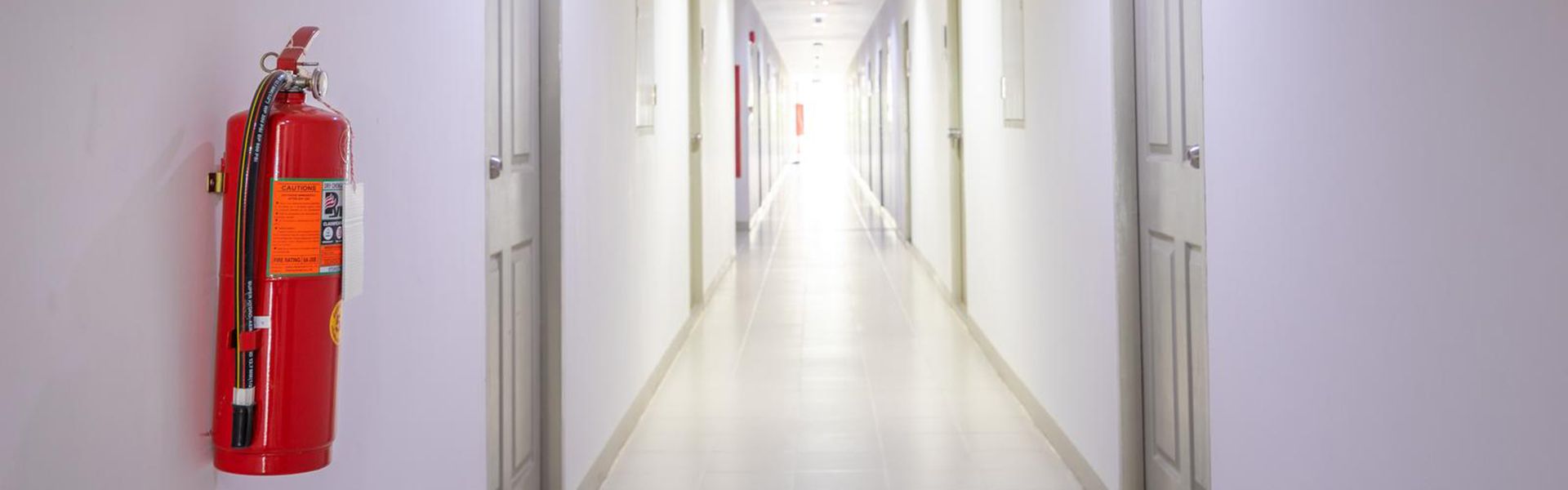
Foam Fire Extinguishers
In any business environment, ensuring safety from fire hazards is paramount. One critical aspect of fire safety is having the right fire extinguishers installed. Foam fire extinguishers, a common type of extinguisher, play a crucial role in safeguarding your premises against specific fire classes. Understanding the functions and appropriate uses of foam fire extinguishers can make all the difference in an emergency.
What are Foam Fire Extinguishers?
Foam fire extinguishers are designed primarily for use on Class B fires, which involve flammable liquids such as petrol, paint, and oils. However, due to their water-based formulation, they can also be effective on Class A fires involving organic materials like wood, paper, and textiles. This versatility makes foam fire extinguishers a valuable asset in any business setting.
What is the Foam Extinguisher Label Colour?
At first glance, identifying fire extinguishers can be critical during emergencies. Foam fire extinguishers are easily distinguishable by their cream-coloured labels. This colour coding allows for quick identification, ensuring that your staff can respond effectively in case of a fire incident.
Uses for Foam Fire Extinguishers
The specific uses of foam fire extinguishers centre around their ability to combat both Class A and Class B fires. Here’s a closer look at what they can effectively extinguish:
Class A Fires: Foam extinguishers can be used on fires involving organic materials such as cardboard, paper, fabrics, wood, or coal. Thus, they are excellent for businesses that handle these materials frequently.
Class B Fires: Their primary function lies in extinguishing Class B fires involving flammable liquids. Examples include fuel, oils, and paints. Businesses storing or using such products should ensure they have foam extinguishers on-site.
Do Not Use Foam Extinguishers For:
While foam extinguishers are versatile, there are specific situations where they should never be employed. Understanding these limitations is crucial for safety:
- Electrical Equipment Fires: Foam extinguishers conduct electricity and can increase the risk of electrocution.
- Kitchen Fires: Such as those involving cooking oils or fats, as they may not effectively control these types of fires.
- Flammable Metals: Fires involving metals like sodium or magnesium require specific extinguishing agents and can escalate dangerously if foam is used.
How Foam Extinguishers Work
The operation of foam fire extinguishers is quite straightforward. When activated, the foam creates a barrier between the flames and the fuel, smothering the fire. This is particularly effective on burning liquid fires; as the foaming agent, known as Aqueous Film Forming Foam (AFFF), cools the fuel and deprives the fire of oxygen. This dual action ultimately extinguishes the flames and significantly reduces the risk of reignition.
Types of Businesses That Need Foam Fire Extinguishers
Foam extinguishers are essential in various settings, especially where flammable liquids or organic materials are present. Here are some examples of businesses that should have foam fire extinguishers readily available:
- Schools: With materials like paper and science lab chemicals, the risk can be significant.
- Hospitals: These facilities often use a range of organic materials, meaning fire risks require careful management.
- Office Buildings: Furniture and paperwork can pose Class A fire risks.
- Shops: Retail settings often have flammable products that could present fire hazards.
- Apartment Buildings: Residential spaces face unique risks from both cooking and heating materials.
Where to Store Foam Fire Extinguishers
Proper placement of foam fire extinguishers is critical for effective response during a fire emergency. Foam extinguishers should be installed at exit points and in accessible locations where Class A or Class B fire risks are identified, facilitating quick access during an emergency.
Understanding the role of foam fire extinguishers in your business is vital for fire safety compliance. Their ability to tackle both Class A and Class B fires makes them an invaluable tool in protecting your premises. Ensure that your business is equipped with the appropriate extinguishers, and regularly inspect and maintain these devices to ensure maximum effectiveness.
Fire safety compliance is essential; if you’re in need of professional advice or installation services, consider contacting RV Fire Systems. It’s always better to be proactive when it comes to fire safety and protection for your employees, assets, and customers.
Clitheroe Fire Extinguishers:- 01200 439333
Blackburn Fire Extinguishers:- 01254 367611
Blackpool Fire Extinguishers:- 01253 804199
Preston Fire Extinguishers:- 01772 970411
Manchester Fire Extinguishers:- 0161 8260480


