


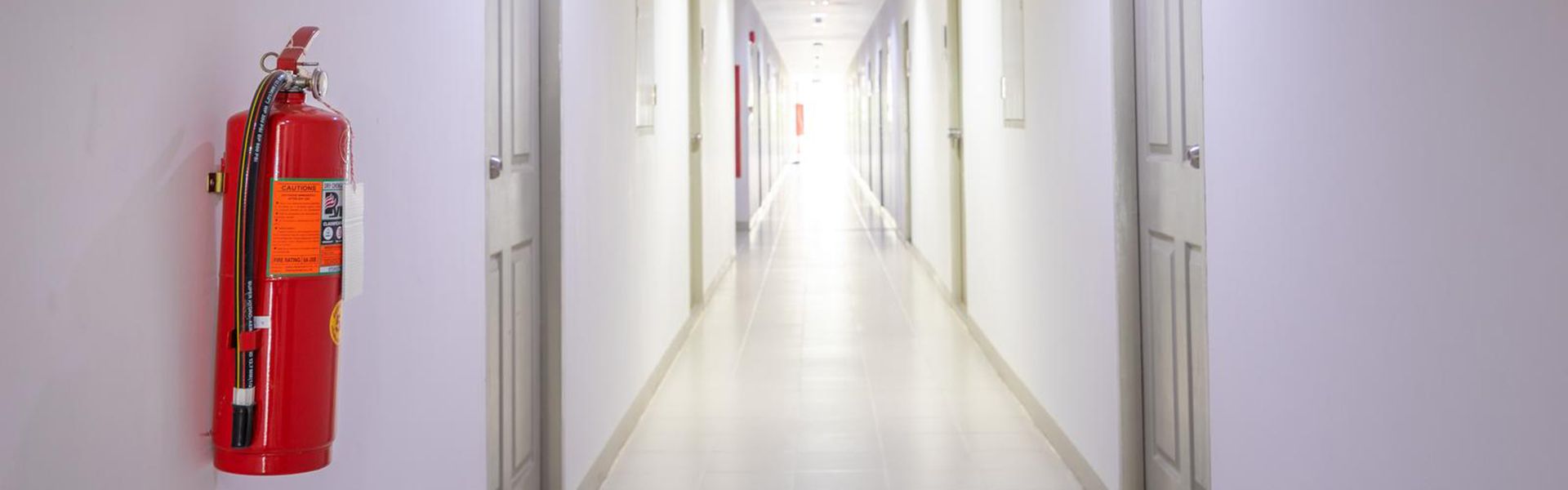
Fire Extinguishers and Electrical Risks
Fire extinguishers are an essential safety feature in workplaces and homes, but not all extinguishers are created equal when it comes to electrical risks. Understanding the relationship between fire extinguishers and electrical risks is critical to ensuring safe and effective fire-fighting efforts, particularly when dealing with electrical fires. This article will explore the types of fire extinguishers relevant to electrical risks, the regulations governing their use in the UK, and best practices for safety.
Understanding the Types of Fire Extinguishers and Electrical Conductivity
When considering fire extinguishers and electrical risks, it’s important to know that extinguishers fall into two broad categories based on their electrical conductivity:
- Water-based extinguishers (including foam)
- Non-conductive extinguishers, such as carbon dioxide (CO2), powder, and halon agents
Water-based media are inherently conductive and pose a potential risk if used directly on live electrical equipment. Therefore, portable fire extinguishers with water-based media need to be tested for electrical conductivity before being used near electrical fires.
On the other hand, extinguishers that use carbon dioxide, dry powder, or halons are non-conductive. Because they do not conduct electricity, a conductivity test is unnecessary for these extinguishers, making them safer choices for fires involving electrical equipment.
UK Regulations on Fire Extinguishers Used on Electrical Fires
In the UK, specific guidelines and regulations govern the use of extinguishers on electrical fires. According to BS 5036-8 clause 5.4.2 on conductivity, only non-conductive extinguishing media such as carbon dioxide, powder, or other clean agents are permitted for use on electrical fires.
This rule helps to minimise the risk of electrical shock during firefighting. Users must be aware that before discharging any extinguisher onto electrical equipment, the equipment should be switched off wherever possible. This reduces the risk of electrocution or accidents when using conductive extinguishing media.
Some fire extinguishers display a lightning pictogram in addition to the European-approved pictograms. This symbol aims to communicate suitability for electrical fires more clearly to users. However, it’s worth noting that the lightning symbol is not officially specified in the EN 3 regulations and hence has no formal meaning under those standards.
Markings and Warnings on Fire Extinguishers
To ensure safety and prevent misuse, portable fire extinguishers include clear markings regarding their suitability for electrical risks:
Water and foam extinguishers not tested or approved for electrical fires carry a warning label stating:
“Warning: do not use on live electrical risks.”Fire extinguishers tested and suitable for use on live electrical equipment are marked with clear instructions such as:
“Suitable for use on live electrical equipment up to 1,000 V at a distance of 1 metre.”
These markings help end-users quickly identify which extinguisher is appropriate for which type of fire, especially fires involving live electrical components.
Best Practices When Using Fire Extinguishers Near Electrical Equipment
Even with the right fire extinguisher, safety precautions are vital:
- Always ensure the electrical equipment is switched off and isolated before using an extinguisher containing conductive media like water or foam.
- Use non-conductive extinguishers (CO2, powder, halon) on live electrical equipment, as these are designed to extinguish fires without conducting electricity.
- Never assume safety based on pictograms alone; always check the extinguisher’s specifications and markings.
- Regularly inspect and maintain fire extinguishers to ensure they remain compliant with safety standards.
Expert Advice from RV Fire Systems
For those in the North West UK, RV Fire Systems offers expert advice and services relating to fire safety, including guidance on the proper use of fire extinguishers and electrical risks. Their experienced team provides fire safety training and installation of detection and firefighting equipment to ensure compliance and safety for homes and businesses.
If you require assistance or specialist advice:
- Clitheroe Fire Extinguishers:- 01200 439333
- Blackburn Fire Extinguishers:- 01254 367611
- Blackpool Fire Extinguishers:- 01253 804199
- Preston Fire Extinguishers:- 01772 970411
- Manchester Fire Extinguishers:- 0161 8260480
Being knowledgeable about the relationship between fire extinguishers and electrical risks can be lifesaving. Not all fire extinguishers are safe to use on electrical fires, especially water-based models that conduct electricity. UK standards like BS 5036-8 clearly specify that only non-conductive extinguishing media—such as CO2, powder, or halon—should be used on live electrical equipment.
Remember, the first step in extinguishing electrical fires safely is switching off the power before using any extinguisher. Always verify extinguisher markings and warnings and seek expert advice if unsure. By staying informed and prepared, you can protect lives and property from the dangers of electrical fires effectively and safely.


