


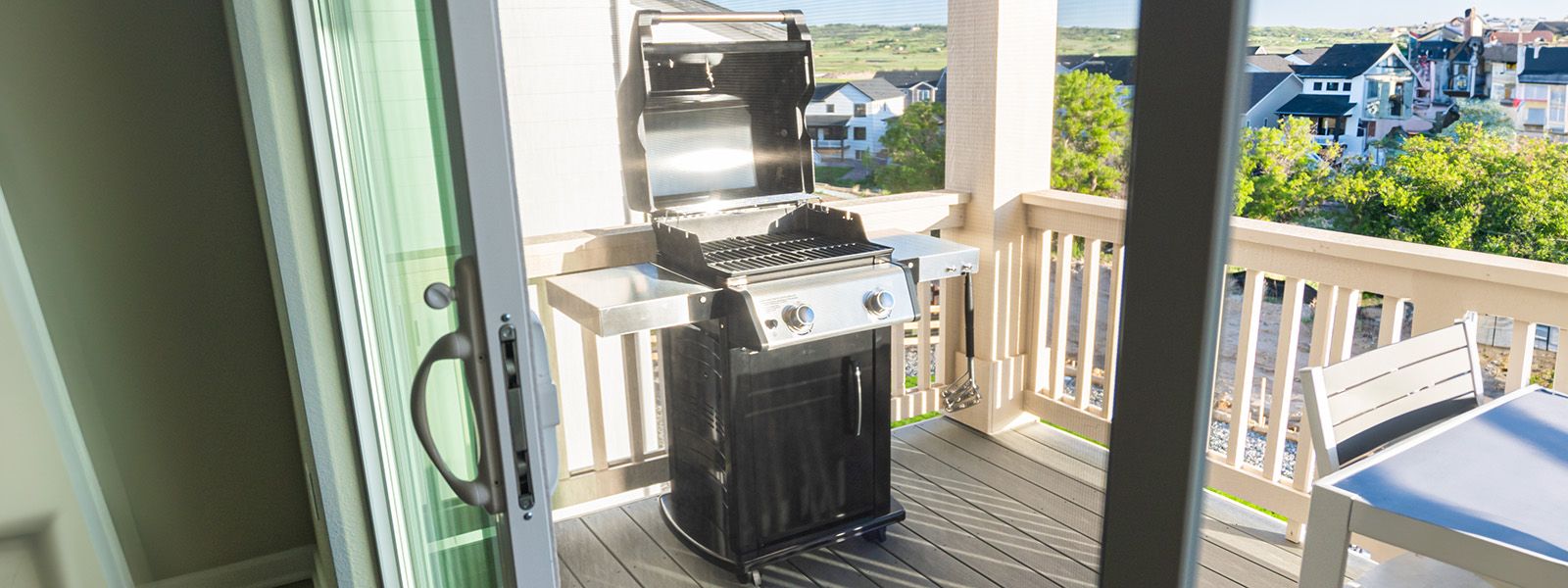
Insurer Calls For Balcony Barbecue Ban
As the summer season approaches, many people look forward to enjoying outdoor barbecues, especially on balconies. However, Zurich Insurance has raised an alarming point regarding the potential dangers associated with balcony barbecues. Their recent studies and statements highlight that it’s not just the issue of unattended barbecues that we should be concerned about; the very act of barbecuing on balconies poses significant fire hazards.
The Alarming Statistics
Zurich’s data sheds light on the extensive financial impact of fire damage claims, revealing that a staggering £210 million was disbursed for fire-related incidents that year. Among these claims, nearly £9 million stemmed from just four significant balcony fires. This statistic should resonate strongly with anyone considering grilling on their balcony. David Nichols, Zurich’s Chief Claims Officer, noted the emotional devastation that follows such events. “Fires put people’s lives at risk, and they also destroy homes and personal possessions,” he said.
In an official letter the Deputy Fire Commissioner Richard Mills also expressed concerns regarding the high frequency of balcony barbecue fires, with London firefighters attending more than 500 incidents over three years. Such data underscores the critical need for fire safety awareness.
Risks Associated with Balcony Barbecues
When we think of barbecues, we often envision carefree gatherings and sizzling food. However, Zurich Insurance points out that balcony barbecues can ignite fires that result in severe consequences. The modern architecture of many residential buildings incorporates materials that can increase the flammability of structures. For instance, timber-framed buildings with wooden balconies or combustible cladding heighten the risk level.
Additionally, Zurich highlighted the insidious nature of fire ignition sources. “A small ignition source can start a fire hours after you have gone to bed,” Nichols warned. This delayed ignition can catch residents off guard and lead to disastrous outcomes.
Components Amplifying the Fire Risks
Zurich’s property major loss team discovered some startling facts when they analysed recent fire incidents. In every case they investigated, timber was either a direct cause of the fire or it facilitated its spread. This includes balconies constructed from non-combustible materials, such as metal, that are adorned with wood. Even properties built from brick and block but have timber cladding are vulnerable.
Moreover, the convenience of having barbecues marketed as suitable for balcony use is misleading. Manufacturers continue to promote these barbecues despite the evident risks outlined by fire safety experts. This situation presents a pressing need for regulatory changes. Zurich Insurance is advocating for a complete ban on barbecues deemed suitable for balconies, stating, “In our view, there is no such thing as a safe barbecue on a balcony.”
What Can Residents Do?
For residents living in multi-storey buildings or those with balconies, the Swiss insurer’s warnings suggest a re-evaluation of their outdoor cooking habits. The first practical step is to consider alternative settings for barbecuing. Public parks or backyards with adequate safety features are safer options.
Moreover, individuals should actively participate in safety training or fire awareness sessions available in many regions. These programs can equip residents with the knowledge of fire hazards and how to prevent them effectively.
If you are seeking further information and guidance on fire safety compliance, companies like RV Fire Systems offer professionally certified advice to help ensure your home remains a safe haven.
In conclusion, Zurich Insurance’s call for a balcony barbecue ban serves as a serious reminder of fire safety amidst summer fun. The data speaks for itself as fire risks need careful consideration, especially on balconies where the consequences can escalate rapidly. Residents are encouraged to heed these warnings, understanding the dangers associated with barbecues and making informed decisions about how and where they choose to grill. Ultimately, awareness, combined with proper safety measures, can significantly reduce the risk of balcony fires and contribute to a safer living environment.
Clitheroe Fire Alarm Installation Specialist:- 01200 439333
Blackburn Fire Alarm Installation Specialist:- 01254 367611
Blackpool Fire Alarm Installation Specialist:- 01253 804199
Preston Fire Alarm Installation Specialist:- 01772 970411
Manchester Fire Alarm Installation Specialist:- 0161 8260480


